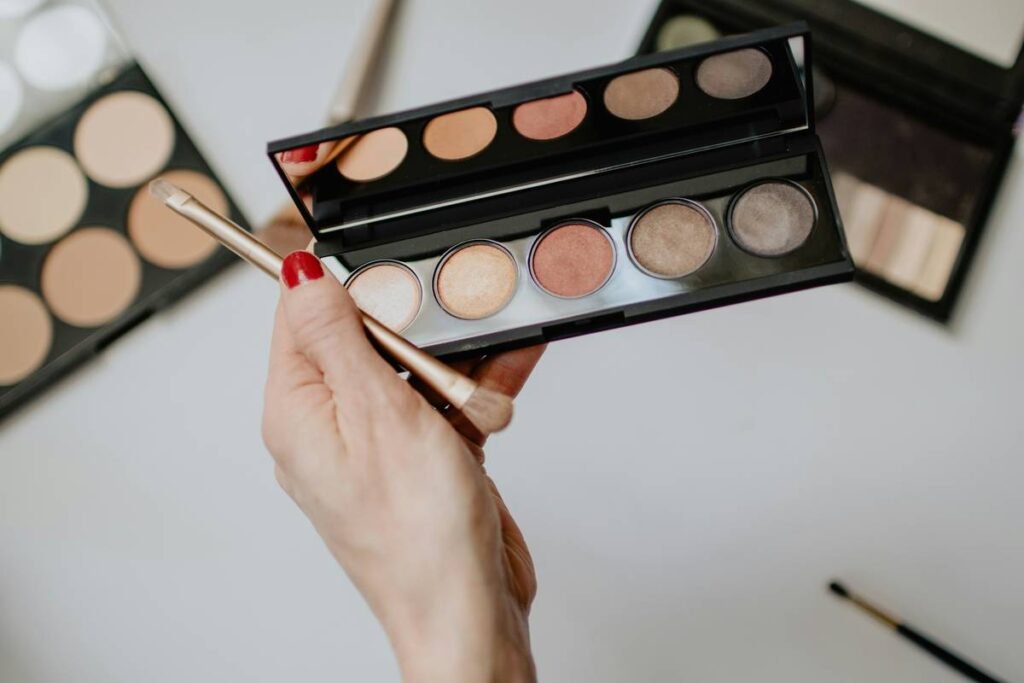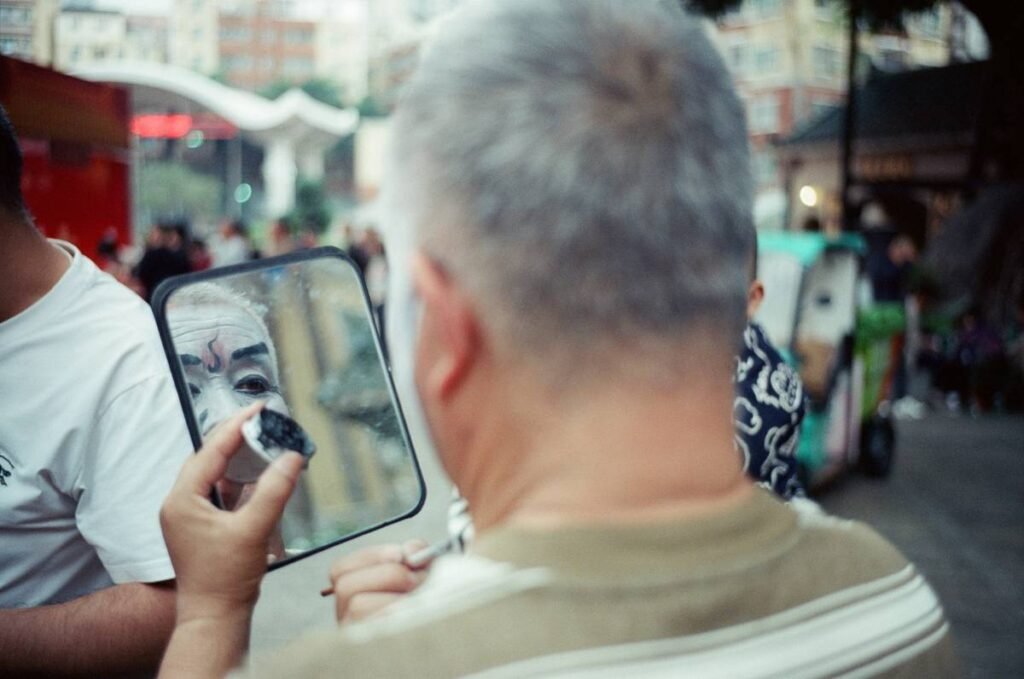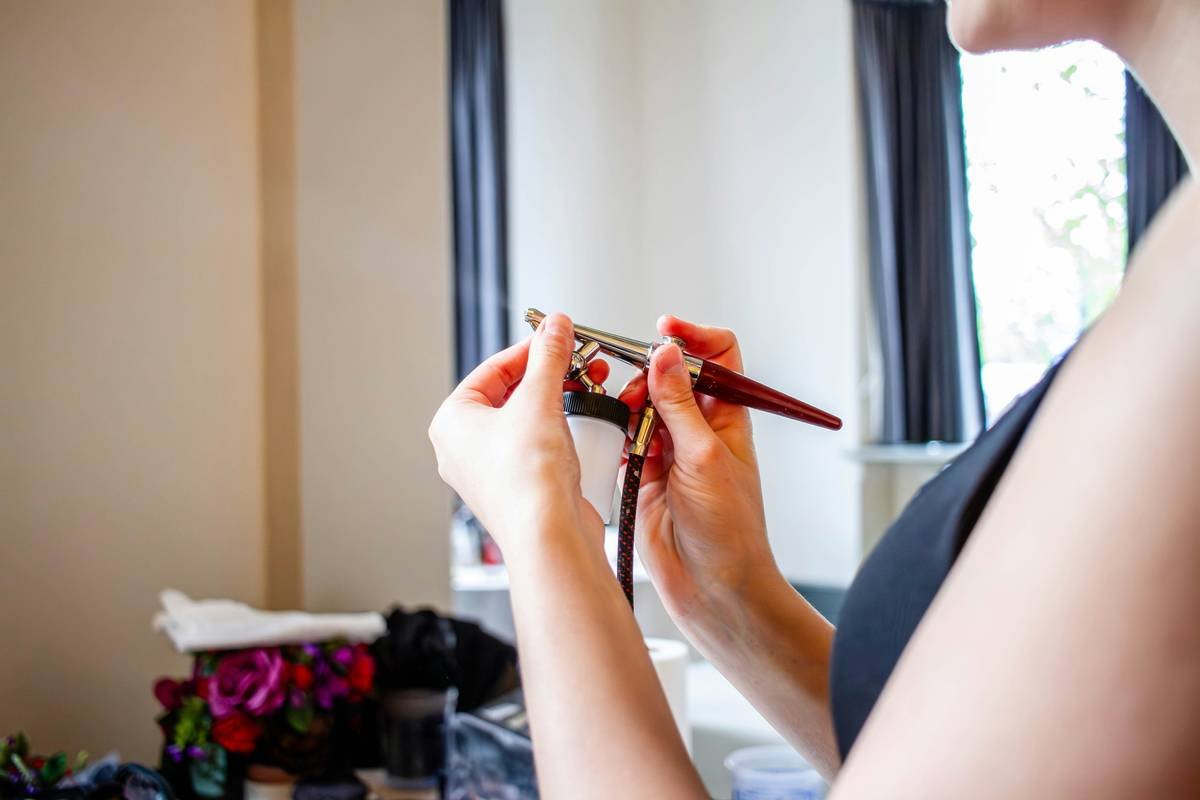
Ever spent hours perfecting Cleopatra’s kohl-lined eyes, only to have your historically inaccurate lipstick spark laughter in the audience? You’re not alone. Stage makeup for historical roles isn’t just about looking pretty—it’s about time travel through pigment, texture, and precision. Whether you’re portraying a Victorian aristocrat or a Roman gladiator, one wrong shade can break immersion faster than a cracked latex wound. In this guide, we’ll walk you through research-backed techniques, common pitfalls, and expert-approved steps to ensure your historical characters look authentic under stage lights—without melting into modernity.
Table of Contents
- Why Historical Accuracy Matters in Theatrical Makeup
- Step-by-Step Guide to Authentic Stage Makeup for Historical Roles
- Pro Tips & Best Practices
- Real-World Examples That Nailed It
- Frequently Asked Questions
Key Takeaways
- Research primary sources—not Pinterest—for accurate period makeup.
- Stage lighting washes out color; intensify pigments but stay era-appropriate.
- Use prosthetics sparingly; overuse breaks historical continuity.
- Skin prep is non-negotiable—historical makeup fails on dry, flaky skin.
- Always test under performance lighting before opening night.
Why Historical Accuracy Matters in Theatrical Makeup
In theatrical makeup, authenticity builds credibility. Audiences may not know the exact shade of rouge Elizabethan courtiers used, but they sense when something feels “off.” According to the Metropolitan Museum of Art’s collection on historical cosmetics, makeup ingredients, application methods, and even societal norms varied drastically across eras. Ignoring these nuances turns your character into costume caricature—not compelling storytelling.
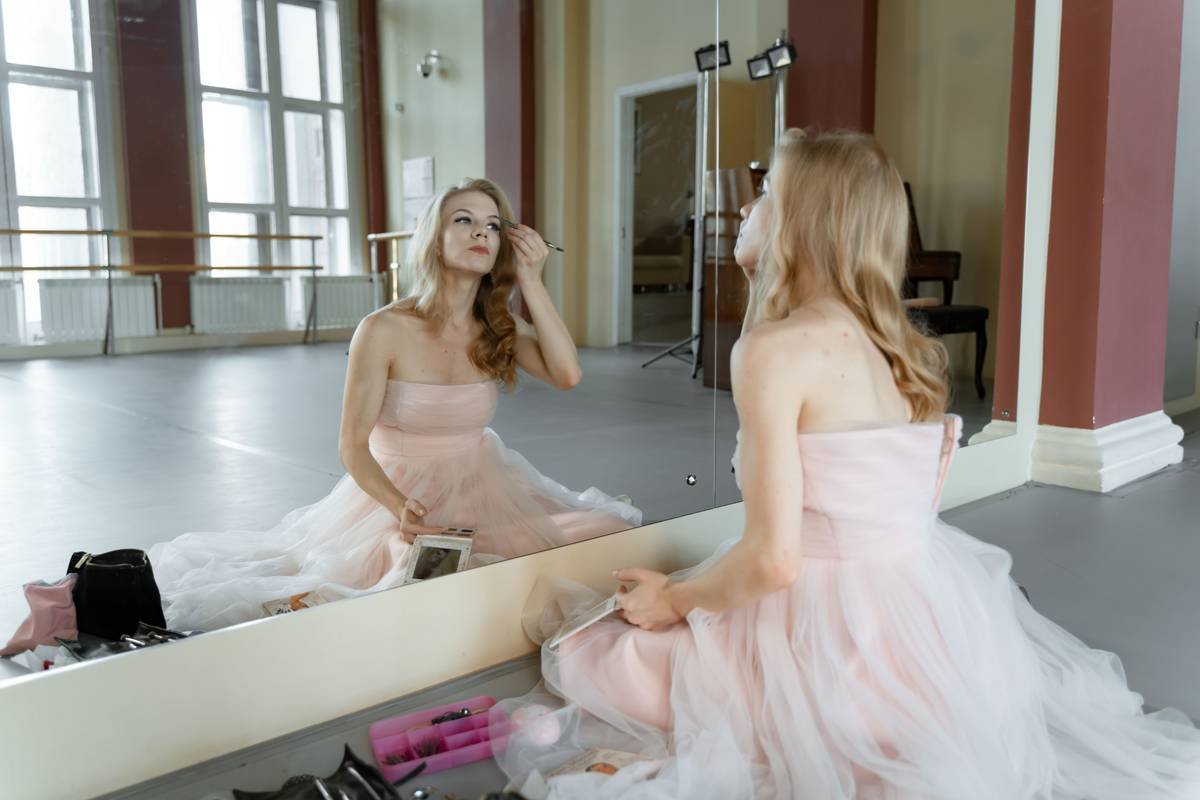
I once made this mistake myself during a community theater production of *Marie Antoinette*. I used modern matte liquid lipstick in deep burgundy—a shade that didn’t exist in natural dyes of the 1780s. Under stage lights, it looked like a smudged wine stain. Worse, it clashed with the silk gown’s pastel tones. Lesson learned: historical makeup isn’t about what *you* think looks good—it’s about what *existed* and how it was used.
Step-by-Step Guide to Authentic Stage Makeup for Historical Roles
1. Research Primary Visual Sources
Start with museum archives, paintings, and surviving cosmetic compacts—not Hollywood films. The Victoria and Albert Museum’s online collection offers high-res images of actual 19th-century makeup kits. Note textures: powdered chalk for pale complexions, beet juice for lips, soot mixed with oil for eyeliner.
2. Analyze Lighting Conditions
Stage lights bleach color. A Renaissance woman’s natural flush might require a deeper rose stain under halogen spots. Test swatches under your venue’s actual lighting rig—OSHA guidelines note that stage illumination often exceeds 500 lux, far brighter than daylight indoors.
3. Layer Foundations Strategically
Historical skin wasn’t airbrushed. Use cream-based foundations (not full-coverage liquids) to mimic the slight unevenness of pre-industrial skincare. Set lightly with translucent powder—avoid matte finishes unless portraying post-1920s flapper-era looks.
4. Emphasize Era-Specific Features
Georgian women plucked eyebrows into thin arches; Victorian actresses used subtle blue shadow to simulate vein visibility. Never default to modern contouring—highlight cheekbones only if the period demanded it (e.g., 1930s silver-screen glamour).
Pro Tips & Best Practices
- Avoid “Terrible Tip” #1: Don’t use black eyeliner for ancient Egyptian roles unless mixing it with galena (lead sulfide)—modern kohl lacks authenticity and can irritate eyes.
- Skin prep is everything: Exfoliate 24 hours before applying historical base makeup. Dry patches ruin powdered finishes common in pre-1900s eras.
- Pigment wisely: Intensify color by 30% under stage lights, but keep hues within documented palettes. No neon reds for medieval peasants!
- Blend edges: Harsh lines scream “costume.” Use a clean sponge to soften jawlines and hairlines—a trick used by Broadway’s *Hamilton* makeup team.
Real-World Examples That Nailed It
The Royal Shakespeare Company’s 2019 production of *Henry VIII* featured actors wearing custom-blended ceruse (lead-based white paint replica using titanium dioxide). While toxic originals were banned post-1700s, their safe recreation added chilling realism. Similarly, the National Theatre’s *Mary Stuart* used hand-ground lapis lazuli eyeshadow to mirror 16th-century noblewomen’s luxury cosmetics. Both productions reported stronger audience engagement—proof that stage makeup for historical roles done right elevates narrative depth.
At Halifax Grammar School, our drama department integrates these principles into every historical production. We believe authenticity starts with respect for the past—learn more about our approach in our About Us section.
Frequently Asked Questions
How do I make historical makeup last under hot stage lights?
Use alcohol-activated paints for longevity, and set with finely milled silica powder. Avoid water-based products—they reactivate under sweat and heat.
Can I use modern makeup for historical roles if I adjust the colors?
Only if the texture matches. Cream blush mimics 18th-century pomade; liquid lipstick does not replicate crushed berry stains used in Tudor times. Prioritize formulation over hue.
Where can I find safe alternatives to toxic historical ingredients?
Museums like the Wellcome Collection publish guides on recreating historical cosmetics with non-toxic substitutes—always verify safety data before usage.
Is stage makeup for historical roles different from film?
Yes. Film relies on close-ups and natural light; theater demands bold, simplified features visible from 50+ feet away. What works on camera may vanish on stage.
Do I need special training for special effects historical makeup?
Basic theatrical knowledge suffices for most eras. Reserve prosthetics for wounds or aging—overusing latex ruins historical integrity. For advanced techniques, consider workshops listed on our Contact Us page.
How does privacy factor into student makeup projects?
We never share student photos or performance data without consent. Review our full policy at Privacy Policy.
Remember: great historical makeup doesn’t shout “look at me”—it whispers “this person lived.” Now go make time travel believable. And if in doubt? Less glitter, more research.