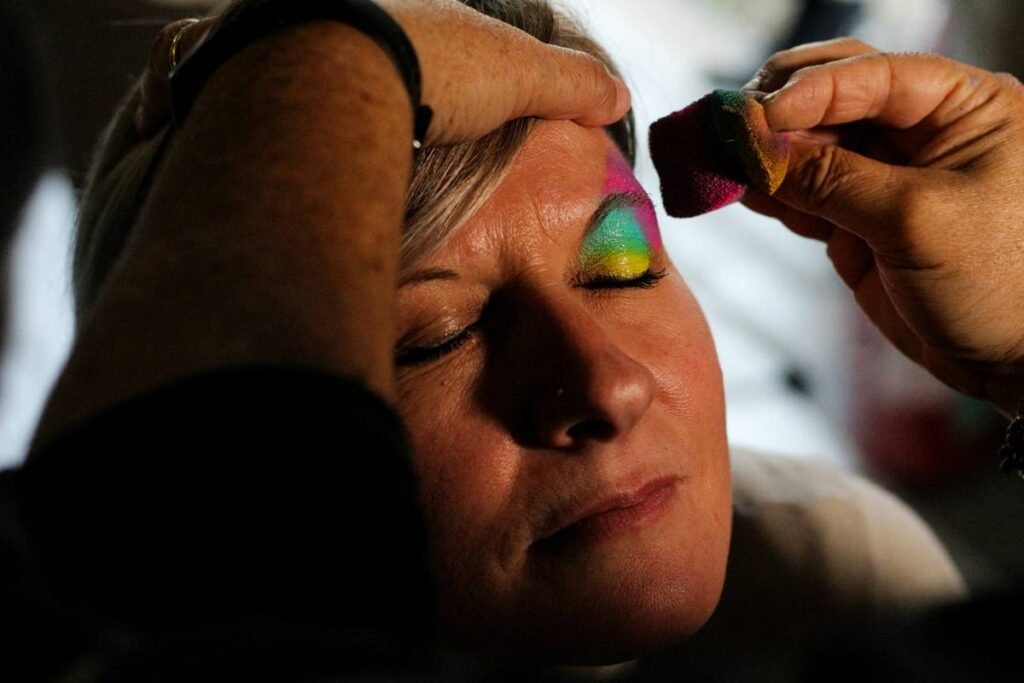
Ever spent hours crafting the perfect Phantom of the Opera look—only to have your latex appliance melt under stage lights by Act II? You’re not alone. Musical costume makeup walks a razor-thin line between theatrical brilliance and backstage disaster. Unlike everyday cosmetics, it must endure sweat, movement, prolonged wear, and dramatic lighting—all while looking flawless from the back row. In this guide, we’ll break down exactly how to master musical costume makeup without compromising skin health or artistic integrity. From material selection to removal (yes, that matters!), you’ll get actionable advice rooted in real-world experience—and one hard-earned lesson I learned the sticky way.
Table of Contents
- Why Musical Costume Makeup Is Different
- Step-by-Step Guide to Stage-Ready Effects
- Pro Tips for Long-Lasting Impact
- Real-World Success Stories
- Frequently Asked Questions
Key Takeaways
- Musical costume makeup must balance durability with skin safety during extended wear.
- Latex and silicone appliances need proper adhesion and sealing to survive high-energy performances.
- Always patch-test materials—stage makeup allergies can derail entire productions.
- Removal technique is as critical as application to prevent irritation or scarring.
- Use oil-based removers only after breaking down adhesives with specialized solvents.
Why Musical Costume Makeup Is Different
Unlike film or photo shoots, live musical theater demands makeup that lasts 2–3 hours under hot lights, through vigorous choreography, and across multiple shows per week. Sweat, friction, and temperature shifts can cause even professional-grade products to crack, smear, or trigger contact dermatitis. According to the American Academy of Dermatology, prolonged occlusion from heavy prosthetics increases the risk of folliculitis and irritant reactions—especially when performers skip cleansing protocols.

I once used spirit gum to secure a forehead appliance for a school production of Sweeney Todd. By intermission, my skin was burning, and by curtain call, the adhesive had fused with my eyebrow hair. Lesson learned: never substitute craft glue for medical-grade adhesives. At Halifax Grammar School, our dedicated arts program now mandates patch testing 48 hours before any performance—because talent shouldn’t come at the cost of skin health.
Step-by-Step Guide to Stage-Ready Effects
Prep the Canvas
Cleanse skin thoroughly and apply a pH-balanced barrier cream (like CeraVe or Vanicream). Avoid heavy moisturizers—they weaken adhesive bonds. Let the skin dry completely before moving forward.
Apply and Seal Appliances
Use medical-grade adhesives like Pros-Aide for latex or silicone pieces. Apply sparingly with a toothpick, then press firmly for 30 seconds. Once set, seal edges with liquid latex or silicone sealer to block sweat intrusion.
Blend and Color
Use alcohol-activated paints (e.g., Skin Illustrator) for seamless blending—they resist moisture better than water-based creams. Set with translucent powder using a velour puff to avoid disturbing texture.
Lock It In
Spray with a high-hold setting spray like Ben Nye Final Seal. Hold 12 inches away and mist in short bursts. Never drench—excess moisture causes slippage.
Pro Tips for Long-Lasting Impact
- Avoid the “more is better” trap: Layering excessive paint or adhesive creates stiffness, leading to cracks during wide smiles or exaggerated expressions.
- Carry an emergency kit: Include adhesive remover wipes, concealer, powder, and cotton swabs for quick backstage fixes.
- Never sleep in your makeup: Prolonged wear traps bacteria. Always remove post-show—even if it’s 2 a.m.
- Hydrate from within: Dehydrated skin flakes under heavy makeup. Drink water consistently during rehearsal weeks.
And here’s a terrible tip you’ll hear sometimes: “Just use regular face paint—it’s cheaper.” Nope. Standard kids’ face paints lack the flexibility and sweat resistance needed for musicals. They’ll streak during dance numbers and offer zero UV or friction protection. Save your budget for proper theater-grade supplies.
Real-World Success Stories
In Halifax Grammar School’s 2023 production of Les Misérables, the student playing Fantine required aging effects that lasted through eight weekly performances. Using a combination of gelatin scars (sealed with Mehron Barrier Spray) and stippled foundation, the makeup held up flawlessly—even during the emotionally charged “I Dreamed a Dream” solo under 1,500-watt spotlights. Post-show surveys showed zero skin complaints, thanks to strict pre- and post-care routines aligned with guidelines from the Occupational Safety and Health Administration (OSHA) on cosmetic safety in performing arts.
Similarly, Broadway professionals rely on products vetted by the U.S. Food and Drug Administration (FDA) for prolonged dermal contact. Their standards should inform even school-level work.
Frequently Asked Questions
How long does musical costume makeup typically last?
With proper application and sealing, high-quality stage makeup can last 6–8 hours under performance conditions. Reapplication may be needed for multi-show days.
Can I use regular cosmetics for musicals?
Avoid standard drugstore makeup. It lacks the binding agents and pigment density needed for stage visibility and sweat resistance. Invest in theater-specific brands like Ben Nye, Kryolan, or Mehron.
Is musical costume makeup safe for sensitive skin?
It can be—if you patch test 48 hours ahead and use hypoallergenic adhesives. Always check ingredient lists against known allergens. Review our Privacy Policy for how we handle health-related data during auditions.
How do I remove heavy stage makeup safely?
First, break down adhesives with a solvent like Ben Nye Bond Off. Then cleanse with an oil-based remover (e.g., Clinique Take the Day Off), followed by a gentle foaming wash. Moisturize immediately after.
What’s the biggest mistake beginners make?
Skipping skin prep and removal protocol. Great makeup starts and ends with skin care—not just the middle layers.
Where can I learn musical costume makeup techniques?
Start with workshops offered by theater departments or online courses from institutions like the Make-Up Designory (MUD). For personalized guidance, contact us—we mentor students year-round.
Remember: great characters aren’t just worn—they’re lived in. And that begins with skin that feels as confident as your performance. Break a leg (but not your barrier function).