Men stepping into dramatic roles often assume theatrical makeup is just “paint.” They slap on foundation, darken eyebrows, and call it a day. But under stage lights or high-definition cameras, that shortcut collapses—revealing flat features, unnatural textures, and zero emotional depth. The real problem? Most tutorials ignore male facial anatomy, sweat patterns, and the psychology of masculine transformation. Here’s how to build characters that don’t just look real—they feel real.
Why Standard Theatrical Makeup Fails Men
Generic kits treat all faces the same. But men typically have stronger jawlines, coarser stubble texture, oilier T-zones, and less subcutaneous fat—especially around the eyes and cheeks. Apply conventional techniques, and you get a waxy mask that cracks under pressure or vanishes under hot lights.
And here’s the kicker: male performers often resist “makeup” due to outdated stigma. So they under-apply. Result? Their character reads as tired, not tormented; bored, not battle-scarred.
The Step-by-Step Guide to Authentic Theatrical Makeup for Men
Prep Like a Pro—not a Passenger
Cleanse with a salicylic acid wash—oil control starts here. Skip heavy moisturizers. Use a mattifying primer only on the forehead, nose, and chin. Let the rest breathe.
Build Dimension, Not Coverage
Forget full-coverage foundation. Use cream-based contour palettes (not powders) to carve hollows under cheekbones, deepen temple shadows, and add fatigue beneath the eyes. Blend with a damp sponge—not fingers—to avoid streaking over stubble.
Stubble Integration is Non-Negotiable
If your character has facial hair, don’t cover it. Enhance it. Dust translucent powder *around* the beard line to diffuse edges. For bald caps or wounds near hair, stipple alcohol-activated paint directly onto shaved skin—it bonds better than latex on oily zones.
| Technique | Best For | Cost Range | Durability (Under Stage Lights) |
|---|---|---|---|
| Cream Contouring + Setting Powder | Aging, fatigue, rugged roles | $25–$60 | 4–6 hours (re-blots needed) |
| Alcohol-Activated Paints | Burns, scars, fantasy creatures | $40–$90 | 8+ hours (sweat-resistant) |
| Latex + Scarring Wax | Deep wounds, prosthetics | $30–$75 | 5–7 hours (requires sealant) |
Lock It In—Without Looking Lacquered
Spray with a *light* mist of setting spray—hold 12 inches away. Too close, and you’ll reactivate creams; too far, and it’s useless. Pat dry with blotting paper after 30 seconds. Never rub.
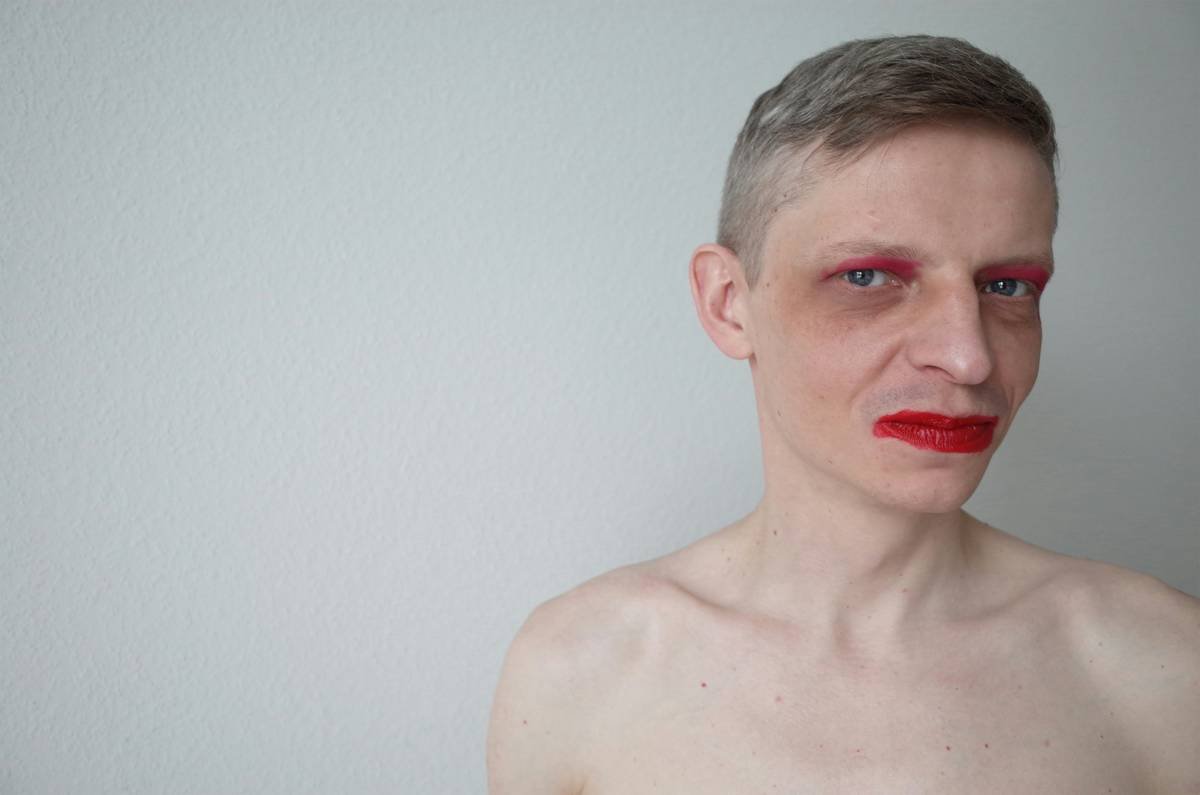
The Industry Secret: Sweat is Your Ally—Not Your Enemy
Most makeup artists fight perspiration. Veteran SFX artists in live theatre? They design for it. Here’s how: mix a drop of glycerin into your cream foundation. It mimics natural sheen—so when a performer sweats during Act II, the glisten looks organic, not like melting makeup. This trick fools even HD close-ups. The math is simple: authenticity beats perfection every time.
And—counterintuitively—men’s thicker skin holds scar wax longer than women’s. Don’t shy from texture. Lean into it.
Frequently Asked Questions
Can men use regular makeup for theatrical roles?
No. Standard cosmetic formulas lack pigment density and sweat resistance. Theatrical makeup uses higher concentrations of iron oxides and binders built for long wear under extreme conditions.
How do you make theatrical makeup look natural on men?
Focus on shadow and light—not color. Men’s natural tone varies less than women’s. Carve depth with browns and taupes, not reds or pinks. Keep edges soft. Real skin isn’t airbrushed.
Does facial hair interfere with special effects makeup?
Not if you prep correctly. Shave only where prosthetics attach. Elsewhere, work with stubble—use powder to mute shine and stipple paints into hair follicles for seamless blending.