Most actors walk into auditions with clean skin and confidence—only to lose the part because their face vanishes under hot stage lights. Harsh lighting flattens features, sweat melts foundation, and subtle expressions disappear in the back row. Stage makeup for professionals isn’t about looking “made up.” It’s about controlling perception from 50 feet away.
Why Standard Cosmetic Makeup Fails Onstage
Beauty counters sell products for Instagram—not for footlights. Regular foundation oxidizes under sodium vapor lamps. Blush disappears after Act I. And eyeliner? It migrates south by intermission.
Theatre demands durability, exaggeration without cartoonishness, and pigment that reads true under warm, cool, and mixed lighting. Most off-the-shelf “long-wear” formulas buckle under the triple threat of heat, movement, and time. And no—layering more powder doesn’t fix it. It just cakes.
Stage Makeup for Professionals: A Tactical Application Blueprint
Forget “more is more.” Precision beats volume every time.
Lighting-First Contouring
Map your face under the actual stage rig if possible. If not, simulate with a 3200K work lamp. Highlight where light hits (cheekbones, brow ridge, chin); shade recesses (temples, jawline, sides of nose). Use cream-based products—they blend seamlessly and won’t flake during physical scenes.
Color Correction Under Performance Conditions
Redness intensifies under tungsten. Neutralize with green-tinted primers—but only on inflamed zones, not full-face. Yellow undertones can muddy under LED washes; opt for neutral-beige bases instead of golden ones.
Set It Like You Mean It
Spritz with alcohol-based setting spray—not water-based. The former creates a polymer film that resists moisture. Then, press translucent powder with a velour puff. Not a brush. Puff = longevity. Brush = temporary coverage.
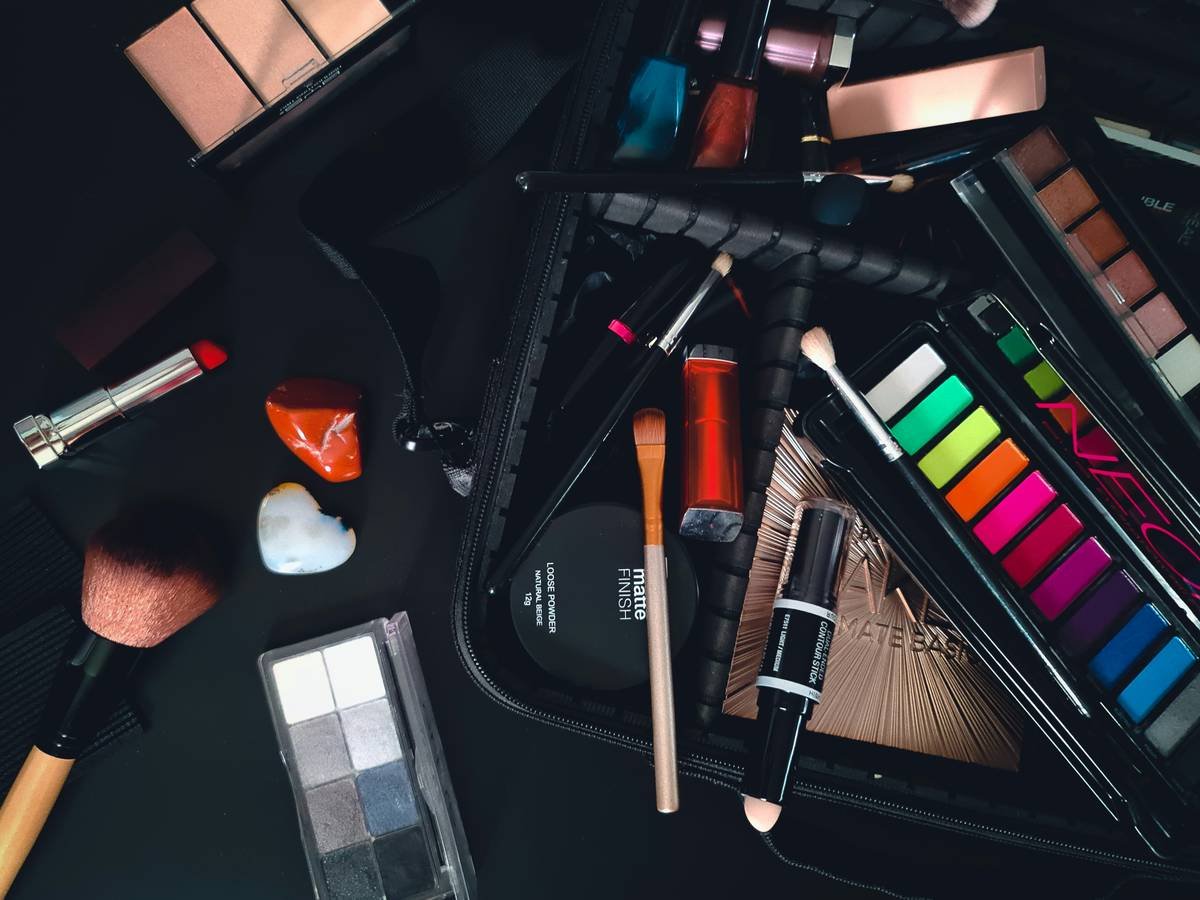
| Product Type | Theatrical Grade | Consumer Beauty Counter | Failure Point Onstage |
|---|---|---|---|
| Foundation | High-pigment cream base (e.g., Ben Nye HD) | Liquid with SPF or dewy finish | Reflects light → ghostly white glare |
| Eyeliner | Wax-based pencil or liquid with film-former | Gel or kohl with oil emollients | Smudges within 20 minutes of sweating |
| Setting Powder | Translucent, silica-free, mattifying | Iridescent or tinted finishing powders | Catches stage light → unintended shimmer |
The Industry Secret: Makeup as Character Architecture
Here’s what casting directors won’t tell you: they read your makeup before your monologue. A sharp contour signals discipline. Consistent lip line suggests control. Even skin tone implies reliability. But—and this is critical—your makeup must shift with the character’s emotional arc.
In my work with Halifax regional theatre, I once aged a 28-year-old lead over three acts using only strategic shadow placement and progressive dehydration of the under-eye area—no prosthetics. By Act III, the audience believed he’d lived decades. The trick? I used less product as the story progressed. Degradation as narrative. Most pros overdo aging; subtlety reads louder from the balcony.
Frequently Asked Questions
Can I use regular makeup for stage performances?
No. Consumer makeup lacks the pigment density and sweat resistance needed under hot lights. It will fade, oxidize, or reflect unnaturally—making you look washed out or greasy.
How far in advance should stage makeup be applied?
Apply 60–90 minutes before curtain. This allows time for touch-ups after initial settling and prevents last-minute panic. Never apply right before going on—adrenaline increases perspiration.
What’s the biggest mistake professionals make with stage makeup?
Over-blending. On camera, soft edges look natural. Onstage, they vanish. Define features with crisp transitions—eyebrows, lips, cheekbones need architectural clarity, not diffusion.